All Categories
Featured

Balancing Local and Traditional Search Tactics
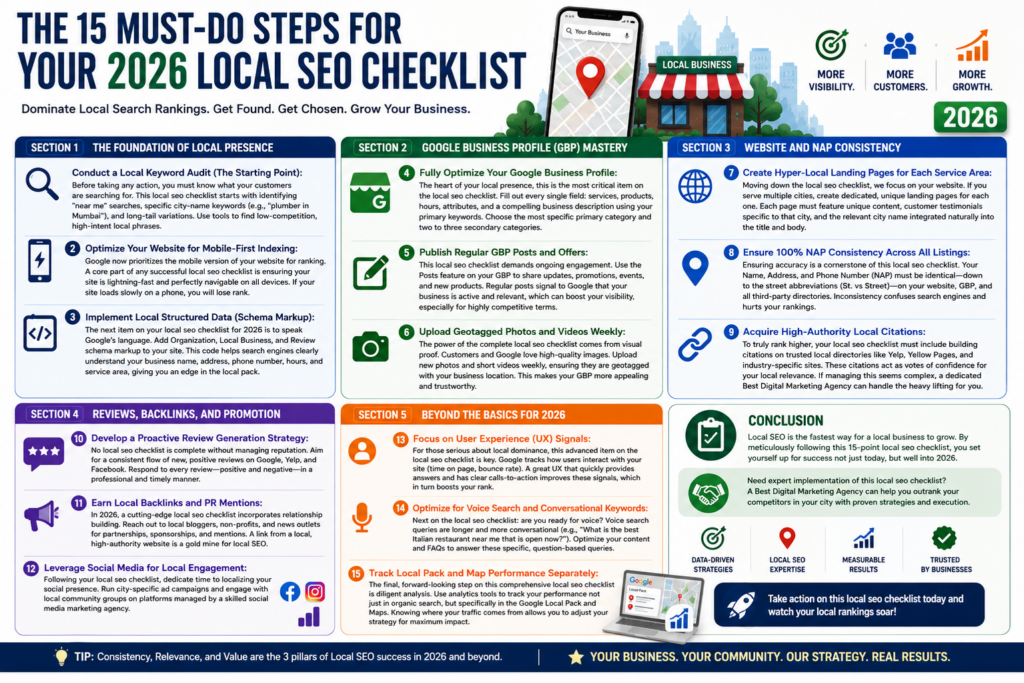
This includes your organization name (exactly as it appears in the real life), complete address with suite numbers, main phone number (regional, not toll-free), website URL, service hours consisting of special hours for holidays, and an in-depth service description integrating appropriate keywords naturally. Select the most specific primary classification for your businessthis single choice brings considerable ranking weight.
Include secondary categories that precisely explain extra services, but focus on accuracy over keyword stuffing. A dental practice may choose "Dentist" as main and include "Cosmetic Dental professional" and "Emergency Dental Service" as secondaries if those services are really used. Upload high-quality photos regularlybusinesses with pictures receive 42% more ask for instructions and 35% more click-throughs to their websites than those without.
Google's information reveals that companies posting photos weekly see increased engagement, so establish a constant posting schedule rather than uploading everything at when. If applicable, consist of 360-degree virtual tours, which Google highlights with special badges and which substantially increase engagement for location-based organizations like dining establishments, hotels, and retail stores.
While posts end after 7 days, preserving an active publishing schedule signals to Google that your service is actively managed and engaged with consumers. Posts likewise offer additional opportunities to incorporate relevant keywords and calls-to-action that drive conversions. Allow all relevant attributes for your businessthese unique features like "wheelchair accessible," "complimentary Wi-Fi," "outside seating," or "women-led" assist your company appear in more specific searches and provide important details to prospective customers.
Why Nearby Map Pack Trends Matter in 2026
Regional citationsmentions of your organization name, address, and phone number (NAP) on other websitesfunction as trust signals that validate your service's legitimacy and location. Google cross-references information from numerous sources to confirm service information, making citation consistency a vital ranking factor. Inconsistencies create confusion and erode rely on your service data.
These platforms disperse service information to numerous downstream directories, apps, and services, developing a multiplier impact from a single accurate submission. Guaranteeing accuracy at the aggregator level prevents inconsistencies from multiplying throughout the citation community. Next, claim and optimize listings on industry-specific directory sites appropriate to your business. A dining establishment should focus on Yelp, TripAdvisor, and OpenTable; an expert service must concentrate on industry associations and regional chambers of commerce; a seller might stress shopping directory sites and review platforms.
Keep perfect NAP consistency throughout all citations. Use the similar service name format, address structure, and phone number all over. Even minor variations"Street" versus "St.," including or leaving out suite numbers, formatting contact number differentlycan water down citation worth. Produce a reference file with your canonical NAP info and utilize it regularly throughout all platforms.
Regional directory ecosystems vary considerably in between Singapore, Malaysia, Indonesia, and China, needing market-specific strategies instead of one-size-fits-all techniques. Evaluations directly affect Map Pack rankings through numerous systems: review amount, review speed (how regularly you get new reviews), evaluation ratings, and evaluation recency all factor into Google's prominence computations. Beyond algorithmic results, examines influence customer behavior93% of customers report that online evaluations impact their buying decisions, making evaluation management both a ranking element and a conversion optimization technique.
The most efficient methods integrate review requests into existing client touchpoints: post-purchase e-mails, service completion follow-ups, receipt emails, or consumer success check-ins. Timing mattersrequest reviews when customer complete satisfaction peaks, generally instantly after a positive interaction or effective result. Make leaving reviews effortless by providing direct links to your Google Organization Profile review page.
Local SEO Is Crucial for US Growth
Some services create reduced URLs or QR codes that can be shared by means of several channels, from e-mail signatures to printed products at physical areas. Train your team to demand evaluations conversationally when suitable. A genuine, individual request from a company frequently generates evaluations better than automated emails. Make sure employee understand they must never ever use rewards for evaluations (breaking Google's policies) however can stress how evaluations help other customers make informed decisionsan method that resonates with community-minded customers.
Google's information recommends that companies reacting to evaluations see higher rankings, and consumers view companies that respond as more trustworthy and customer-focused. Aim to react to every evaluation within 24-48 hours while the discussion stays timely and relevant. For positive evaluations, reveal authentic thankfulness and individualize reactions by referencing specific details from their evaluation.

Negative evaluations, while undesirable, can actually enhance your business profile when managed appropriately. A mix of reviews appears more authentic than ideal 5-star scores, and thoughtful actions to criticism demonstrate responsibility and client commitment.

Latest Posts
Profile Management Is Essential for US Growth

New Local Search Trends to Watch

Is Your Business Approach Prepared for 2026?